The M.T.S. degree at the Divinity School helps prepare students to pursue careers in teaching, service, or research; it is also a suitable degree to pursue in anticipation of advanced doctoral studies in the theological disciplines. It provides training in these disciplines with the possibilities for either a broad exposure (the Core track) or for specialization (the Focus track, which requires approval).
Top Tier Faculty
Study With Thought Leaders
Our faculty are at the pinnacle of their fields of study, and their work is at the cutting edge of research. Students benefit by studying directly with academics who are not only the best at what they do but dedicated to the church and to nurturing the next generation of pastors, thinkers, and doers of theology.


Mentoring for Doctoral Applications
Preparation for Further Study
Our M.T.S. degree program is a strong platform for students who plan to pursue further academic work. Our professors mentor students for the doctoral application process, providing support and feedback on research projects and support during the process. The M.T.S. program directors and cohort representatives hold various workshops to assist students in preparing for further graduate work.
Center for Writing and Academic Support
Helping You Succeed
The Center for Writing and Academic Support provides services for writers of all abilities. In addition, we offer the RISE pre-orientation workshop to introduce the fundamentals of theological thought and writing; ongoing academic support workshops throughout the year; and tutors who are available to work with students one-on-one.

Certificates
Duke Divinity School currently offers a variety of certificates that give students the opportunity to focus their coursework on a particular area of ministry or study:

The Certificate in Anglican Studies can be earned within the M.Div., Th.M, and M.T.S. programs and is designed to serve the academic and formational requirements of students preparing for Anglican/Episcopal ministry, lay and especially ordained.

The Certificate in Black Church Studies can be earned within the M.Div., M.T.S., Th.M., and M.A. degrees and aims to help strengthen the body of Christ through critical reflection, dialogue, and practice at the intersection of race, faith, and Christian witness in the tradition of Black churches.
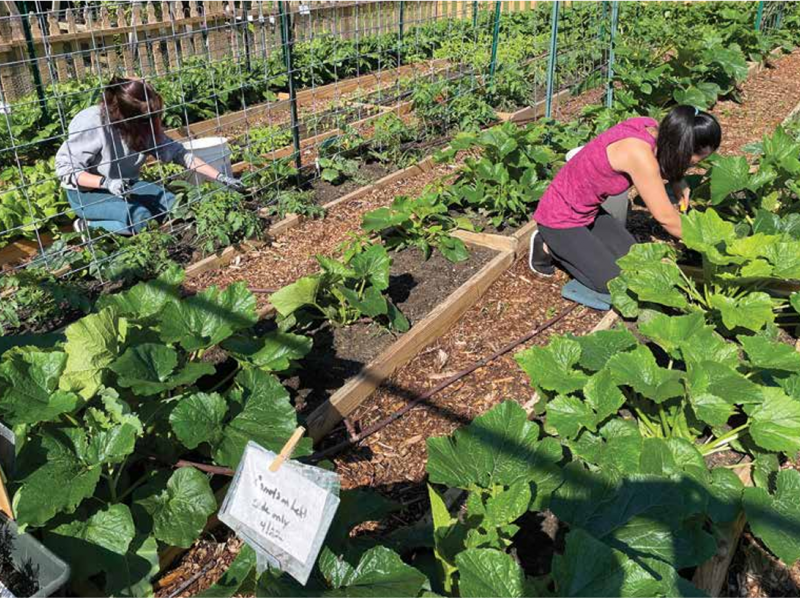
The Certificate in Faith, Food, and Environmental Justice is for students in the residential M.Div. and M.T.S. degrees seeking training and preparation for engaging faithfully in environmental justice work, agricultural production, healthy food access and food systems, creation care ministries, land use issues, policy advocacy, and environmental management.

The Certificate in Faith-based Organizing, Advocacy, and Social Transformation is for students in the M.Div. (residential and hybrid), M.T.S., or M.A. programs seeking to engage in campaigning and advocacy work, community organizing, community development, and related forms of social, political, and economic witness from a Christian basis.

The Certificate in Gender, Sexuality, Theology, and Ministry can be earned alongside the M.Div. (residential and hybrid), M.T.S., Th.D., and M.A. and enables students to make the study of gender, sexuality, theology, and ministry a core component of their theological education. It fosters a collaborative environment for teaching, research, service learning, and dialogue.

The Certificate in Latinx Studies is available to students in the residential and hybrid M.Div. and M.T.S. degrees and is designed to provide theological and ministerial formation to students preparing for ministry with Hispanic/Latinx churches and communities in the U.S.

The Certificate in Methodist/Wesleyan Studies is for pan-Methodist/Wesleyan students in the M.Div., M.T.S., and M.A. programs who wish to engage in robust and intentional training in Wesleyan theology and spiritual practice in preparation for leadership positions in Methodist and Wesleyan churches.
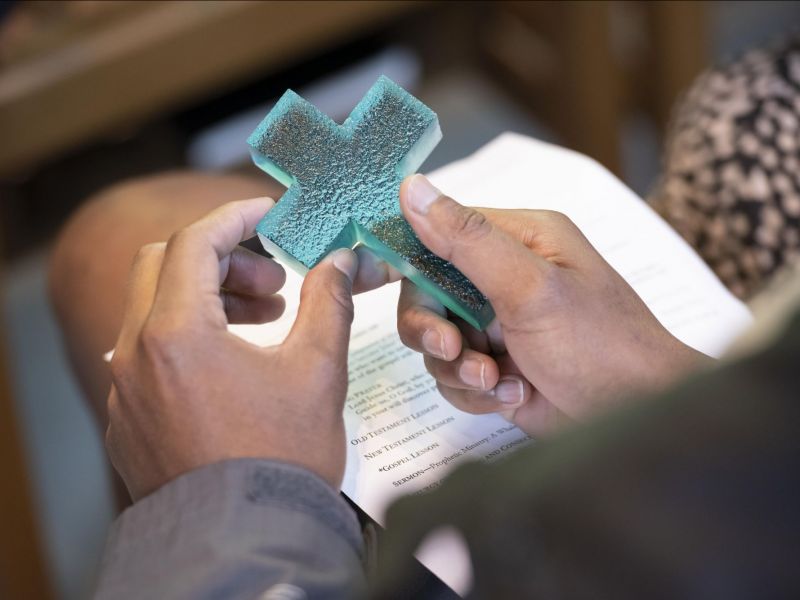
The Certificate in Missional Innovation can be earned within the M.Div. (hybrid and residential) and M.A. in Christian Practice degrees and is intended to provide training in contextual evangelism and church planting for students interested in innovative forms of ministry.

The Certificate in Prison Studies is available in the residential M.Div., M.T.S, and Th.D programs and provides students with the opportunity to engage specifically with people in prison and the system that imprisons them in the context of theological education and formation for ministry.
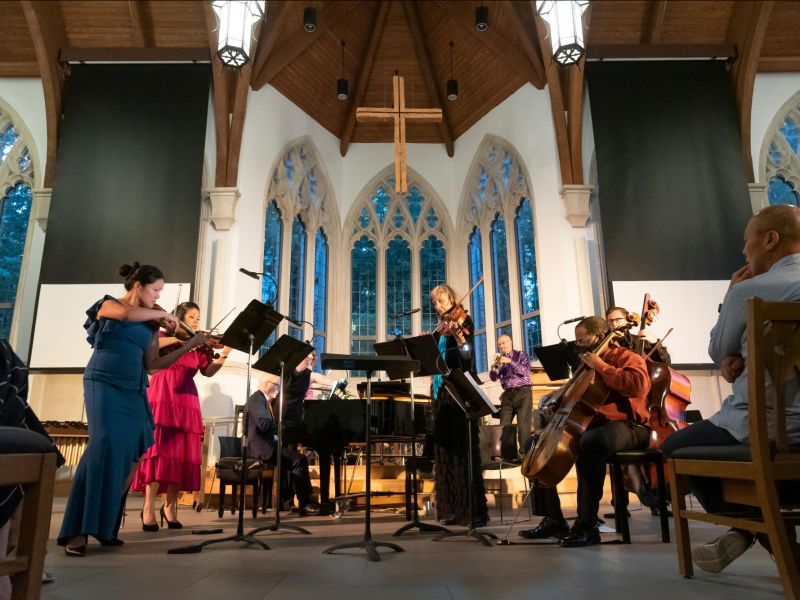
The Certificate in Theology and the Arts offers M.Div., M.T.S., Th.M., and M.A. students firm grounding in the key theological loci and practices relevant to a lifetime’s engagement with the arts in the church, the university, and beyond.
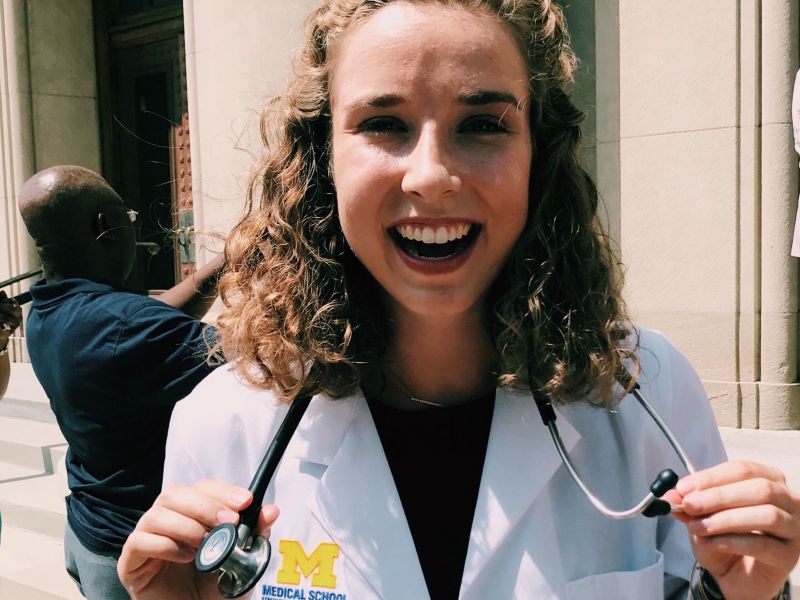
The Certificate in Theology, Medicine, and Culture combines scholarship and coursework with practical experience and community engagement to prepare students in the M.Div. , M.T.S., Th.M., and M.A. programs for robust theological and practical engagement with contemporary practices of medicine, community, and public health.

Lifelong Dividends
In addition to earning a degree from Duke Divinity School, you also receive benefits that continue to impact your life long after you leave. You will have access to the best academic resources in theological education and will use those tools throughout your career. Theses that are crafted with Duke Divinity faculty members become seeds that may grow into future doctoral projects. By being able to fully participate in a top tier research university, your scholarship can create room for surprising and creative interdisciplinary connections. The overwhelming majority of our students say their investment is worth it.
Learn More
We’re available to answer any questions you might have. Please contact us at admissions@div.duke.edu or (919) 660-3436. The resources below will also help you learn more about our programs.
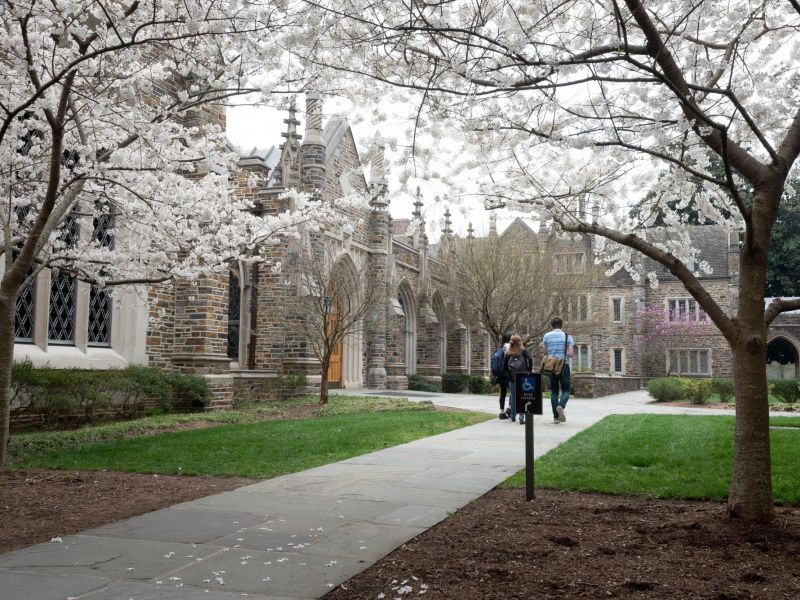
Whether you are interested in a full-time, residential graduate program, or one that allows you to pursue a degree while you remain in ministry full-time, Duke Divinity School offers a program to fit your goals.

We are committed to making sure a Duke Divinity degree is affordable. We award scholarships and grants to 99% of our students, and offer fellowships that cover full tuition.

Durham, N.C., has been named one of the top 10 places to live by U.S. News and World Report. And as a student at Duke Divinity School, you can also take advantage of everything that Duke University has to offer.

Regardless of your stage in the discernment process, we invite you to review the following information to learn more about your next steps.